

Although vascular access is one of the most frequently performed procedures in everyday clinical practice, insertion is not always simple or straightforward. In many patients, peripheral vascular access placement can become challenging, with multiple attempts, procedural difficulties and increasing complexity throughout the treatment pathway.
This condition is known as DIVA (Difficult Intravenous Access) and requires a structured approach based on early assessment, planning and appropriate device selection.
What Is DIVA and Why Is It Often Underestimated?
The term DIVA refers to situations in which obtaining venous access is particularly difficult due to the patient’s clinical or anatomical characteristics.
These difficulties may be associated with:
- reduced or compromised venous capital;
- repeated previous vascular access procedures;
- prolonged therapies;
- chronic conditions;
- oedema or obesity;
- paediatric patients or otherwise fragile patients.
In many cases, DIVA is managed through repeated attempts to place conventional peripheral vascular access devices, without a strategic reassessment of the procedure. This approach can increase procedural difficulties and progressively compromise the remaining available veins.
The Consequences of Repeated Attempts
When venous access repeatedly fails, the consequences extend beyond the technical procedure itself. Multiple attempts may lead to:
- delays in treatment administration;
- increased patient stress and discomfort;
- a higher risk of infiltration and complications;
- more frequent device manipulation;
- progressive depletion of venous capital.
In complex patients or those undergoing prolonged treatment, the loss of available vascular access sites can become a significant clinical issue, affecting therapeutic continuity over time.
The Importance of Early Assessment
Recent international recommendations emphasise the importance of early identification of patients with difficult venous access.
A structured initial assessment helps avoid unnecessary attempts and supports rapid selection of more appropriate devices.
Assessing treatment duration, infusion characteristics, venous status and the patient’s clinical condition from the outset makes it possible to plan a more stable vascular access approach that is more consistent with the patient’s actual therapeutic needs.
Ultrasound Assessment, Vessel Selection and Device Planning
In the management of DIVA, ultrasound guidance enables clinicians to identify the most suitable vessel more accurately, assess its depth and diameter, and improve insertion accuracy while reducing the number of cannulation attempts.
Alongside insertion technique, planning the most appropriate vascular access device also plays a central role. In many cases, continuing with short peripheral catheters may not represent the most effective approach.
Clinical assessment may support the choice of more stable solutions such as Midlines or PICCs, particularly when:
- therapy is prolonged;
- repeated infusions are required;
- the patient’s venous capital is fragile;
- greater therapeutic continuity is needed.
Changing strategy at the appropriate time helps optimise clinical management and limit complications associated with repeated attempts.
Midlines, PICCs and Ultrasound-Guided Vascular Access: Moving Towards a More Structured Approach
Managing difficult venous access now requires an integrated approach that combines clinical assessment, technology and process organisation.
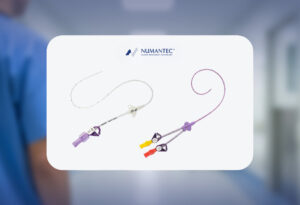
Devices such as Midlines and PICCs help provide greater vascular access stability, reduce the need for frequent replacement and preserve the patient’s venous capital over time.
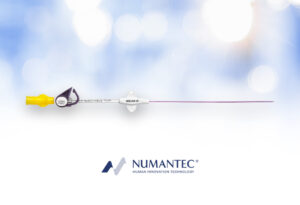
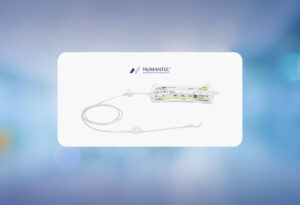
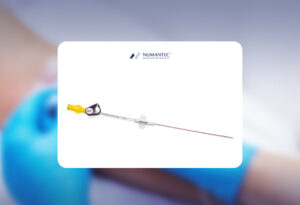
The Numantec Group offers dedicated solutions for ultrasound-guided vascular access, with devices designed to meet a wide range of clinical needs and support healthcare professionals in the management of patients with difficult venous access. The aim is to promote a more structured and consistent approach focused on therapeutic continuity and optimisation of the care pathway.