
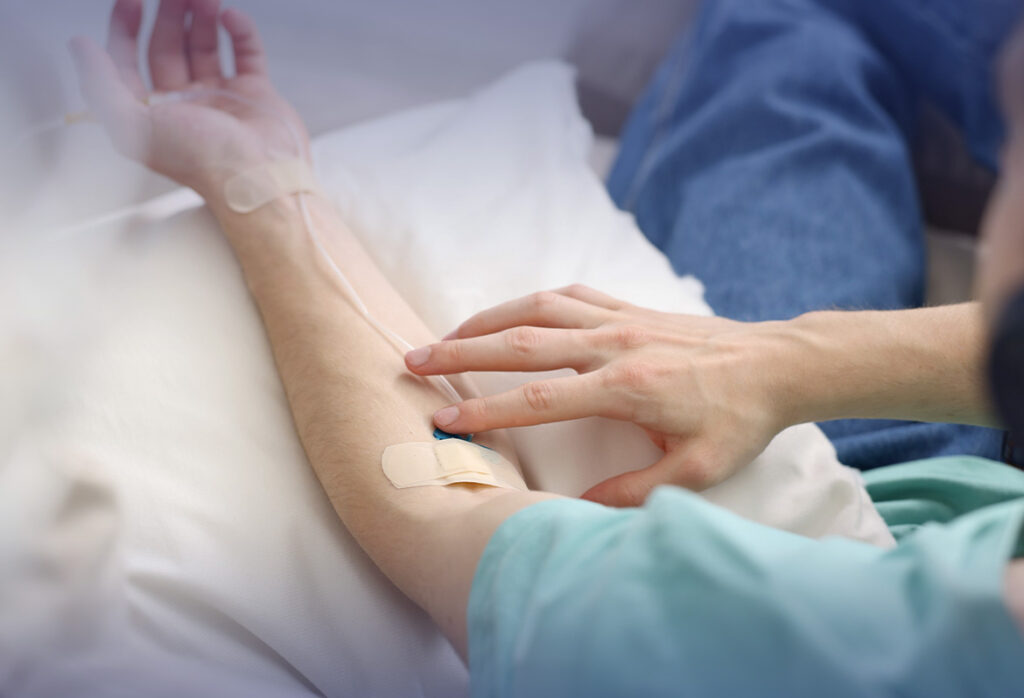
Vascular access management has traditionally been associated with the hospital setting, where specialised staff, dedicated devices and appropriate equipment are readily available. However, evolving models of care are increasingly enabling certain procedures to be performed in the patient’s home by appropriately trained healthcare professionals.
Home-based vascular access care makes it possible to bring clinical expertise and healthcare services directly into the community, reducing the need for patients to travel to healthcare facilities.
This is not simply a matter of changing the setting in which a procedure is performed, but of organising care around the patient’s clinical condition, individual needs and mobility.
Vascular Access at Home: Which Procedures and for Which Patients?
Home-based care may include a range of activities related to vascular access, from assessment of the patient’s venous anatomy and access options to the management of devices that have already been inserted.
These activities may include:
- vascular access assessment: evaluation of the patient’s clinical condition, the characteristics of the prescribed therapy and, where indicated, ultrasound assessment of the patient’s venous anatomy;
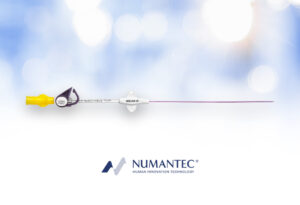
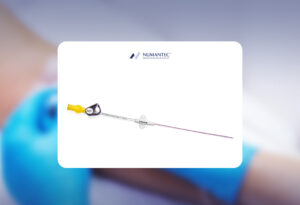
- device insertion: placement of peripheral vascular access devices or, within structured services and specific clinical protocols, certain types of peripherally inserted central catheters;
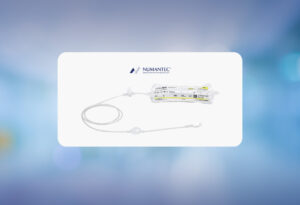
- management and maintenance: dressing changes, inspection of the insertion site, replacement of device components as indicated, and assessment of device function;
- monitoring: early identification of signs of complications and initiation of the appropriate clinical response or referral pathway.
This model of care may be particularly beneficial for people with reduced mobility and for frail patients, for whom frequent travel to hospital can present both practical and physical challenges.
For older adults and paediatric patients, for example, reducing the need for repeated hospital visits can help make the treatment pathway less burdensome, both for the patient and for their family or caregiver.
From Hospital to Community Care: Organisation, Safety and Continuity of Care
Performing vascular access procedures in the patient’s home requires careful organisation. Healthcare professionals must have access to appropriate devices, sterile supplies, the necessary equipment and standardised protocols for infection prevention and complication management.
Patient selection is equally important: the patient’s clinical condition, the type of vascular access, the complexity of the insertion procedure and monitoring requirements should all be assessed before determining whether a procedure can be performed safely outside the hospital setting.
A key aspect is coordination between hospital-based professionals, community healthcare services, the patient and caregivers. Continuity of care depends on access to up-to-date information about the device, its management and the contact details of the relevant healthcare professionals or services in the event of any problems.
Home-based care is not intended to replace hospital care in all cases, but rather to complement it when appropriate. In addition to addressing the needs of people who face greater difficulties in accessing healthcare facilities, it can enable certain services to be delivered in community or home settings, while allowing hospitals to focus on procedures that require greater resources and more intensive monitoring.
From this perspective, the value of vascular access technologies goes hand in hand with specialist expertise and effective service organisation. The aim is to ensure that each patient receives the most appropriate device and care in the setting best suited to their clinical condition, including situations in which this means that a healthcare professional provides care directly in the patient’s home.