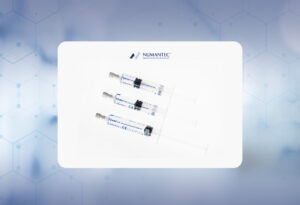


Many of the most common complications in vascular access, such as infections, occlusions, dislodgement, and malposition, do not depend solely on the device used, but also on procedural variables, operator errors, and inconsistent management.
Standardizing clinical processes helps reduce these issues, improve outcomes, and ensure continuity of therapy.
Procedural Variability: One of the Main Causes of Complications
In daily clinical practice, vascular access management can be influenced by several factors, including:
- differences in insertion techniques;
- use of non-standardized materials;
- non-standardized availability of devices;
- different approaches between operators or departments.
This variability increases the risk of errors and makes it more difficult to ensure a consistent level of quality of care.
Even procedures that may appear simple, if not standardized, can lead to increased manipulation and greater exposure to contamination, reduced device stability, and a higher rate of complications over time.
Reducing this variability means transforming the procedure from an operator-dependent activity into a structured and reproducible process.
Standardization makes it possible to reduce errors, limit complications, decrease the need for reinsertion, and optimize length of stay, with a direct impact on patient well-being and on the efficiency of the healthcare system.
What Does Standardizing a Vascular Access Procedure Mean
Standardizing a vascular access procedure means defining a clear, consistent, and shared workflow that guides every phase of the procedure:
- preparation of the sterile field;
- selection and availability of the devices;
- insertion technique;
- securement and dressing;
- post-insertion management.
Procedural kits make it possible to have all the components required to perform the procedure in a consistent and controlled manner within a single set.
As a result, the risk of omissions or errors is reduced, while procedural time and overall workflow organization are optimized.
Numantec Introducer Kits
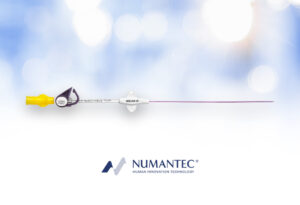
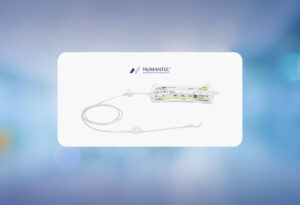
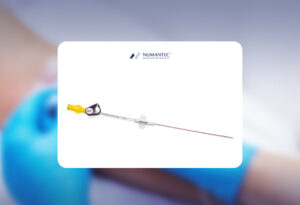
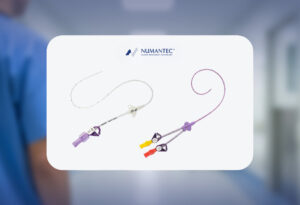
Numantec vascular access introducer kits help standardize the device insertion phase. They are designed to support healthcare professionals at every step of the procedure, providing a complete and consistent configuration of the required instruments.
Components included in Numantec introducer kits include:
- introducer needle;
- guidewire;
- dilator;
- scalpel;
- syringe;
- device dysfunctions
Standardizing the procedural setup helps improve insertion quality from the very first stage and is complemented, in the following phases, by maintenance kits that support more consistent and controlled long-term management.
The Clinical Impact of Standardization
Clinical evidence shows that a standardized approach to vascular access management leads to clear and measurable benefits:
- reduced catheter-related infections;
- fewer occlusions and device dysfunctions;
- lower need for device replacement;
- reduced need for reinsertion;
- improved continuity of therapy.
Reducing complications also means preserving the patient’s venous access, avoiding repeated insertions and improving the overall experience throughout the course of care.
With its range of procedural and management kits, the Numantec Group helps make this approach applicable in daily clinical practice, supporting more structured processes and greater operational efficiency.