
When discussing vascular access, attention often focuses on the technical aspects of the procedure, the duration of treatment or the characteristics of the device. However, the choice of vascular access also affects the patient’s day-to-day experience, quality of life and ability to undergo treatment with greater peace of mind.
The latest international recommendations emphasise the importance of selecting the most appropriate device not only according to clinical requirements, but also by taking into account patient comfort, continuity of therapy and overall well-being.
Reducing Peripheral Needle Sticks to Improve the Patient Experience
One of the factors that most significantly affects patient comfort is the need to repeatedly establish venous access. In patients undergoing prolonged therapies, frequent treatments or repeated blood sampling, relying exclusively on conventional peripheral access may result in numerous venipunctures over time, causing physical discomfort and progressively depleting the patient’s available venous access.
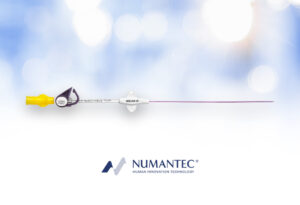
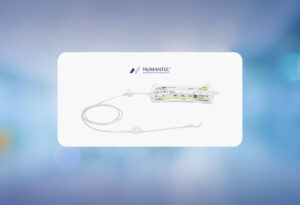
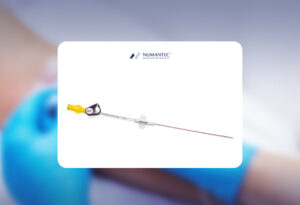
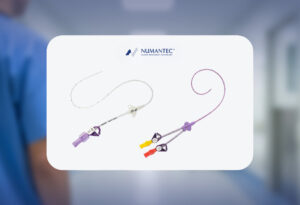
Devices such as Midlines, PICCs and Ports from the Numantec Group help reduce the number of access procedures required throughout the treatment pathway, contributing to a less invasive and more sustainable long-term approach.
Mobility and Independence During Therapy
Patient comfort is not limited to the procedure itself, but also includes the ability to maintain everyday routines as much as possible.
A stable and properly managed vascular access device can support greater freedom of movement, simplify daily activities and reduce treatment-related limitations.
Appropriate device planning therefore helps achieve a balance between clinical requirements and quality of life, which is particularly important during long-term treatment pathways.
The Role of Vascular Access in Oncology Care Pathways
In oncology, continuity of therapy is essential.
Patients may undergo frequent infusions, prolonged treatment cycles and ongoing monitoring. As a result, the choice of vascular access becomes even more important.
PICCs and Ports can support long-term treatment while reducing the need for repeated venipuncture and helping preserve the patient’s venous access.
This approach can improve the overall management of the treatment pathway and reduce the discomfort associated with repeated procedures.
Home Care Management and Continuity of Care
The increasing adoption of home care models has made the selection of vascular access devices capable of ensuring long-term stability and continuity even more important.
Many patients now continue part of their treatment at home, making it necessary to use devices that can also be managed effectively outside the hospital setting.
Appropriate vascular access selection helps reduce hospital visits, simplify the organisation of care and improve the overall experience of both patients and caregivers.
PICC, Port and Midline: Different Solutions for Different Needs
There is no single vascular access device that is ideal for every clinical situation. Selection should always be based on the patient’s characteristics, the expected duration of therapy and the goals of care:
- Midlines are an effective solution for intermediate-duration treatments;
- PICCs are used across a wide range of medium and long-term treatment pathways;
- Ports are often selected when prolonged treatment and frequent access over time are anticipated.
The aim is to provide appropriate vascular access that supports therapy, preserves the patient’s venous access and helps improve patient comfort.
Numantec’s vascular access solutions, including PICCs, Ports and Midlines, are designed with these objectives in mind, supporting healthcare professionals and facilities in promoting continuity of therapy and quality of care throughout the entire care pathway.