
A mini-Midline may be used when peripheral venous access needs to be more stable and durable than with a short peripheral catheter, but a longer device is not required.
The choice depends on several factors, including the condition of the patient’s veins, the anticipated duration of access, the frequency of procedures and the characteristics of the therapy. In some clinical situations, these factors make the mini-Midline a particularly relevant option to consider.
What are the clinical settings in which a mini-Midline is the most appropriate choice?
1. Difficult Venous Access
One of the main indications concerns DIVA (Difficult Intravenous Access) patients, both adult and paediatric.
The length of the mini-Midline makes it possible to reach superficial and deep veins and is therefore an option to consider when the patient’s venous access makes the placement or maintenance of a conventional short peripheral catheter difficult. For optimal performance, at least two thirds of the catheter length should remain inside the vein.
2. Prolonged Peripheral Access
The expected duration of therapy is another key factor. In non-emergency settings, long peripheral catheters are recommended when peripheral venous access is expected to be needed for more than one week, both in DIVA patients and in patients without difficult venous access. These devices, however, are generally not intended to remain in place for more than three to four weeks.
The mini-Midline may therefore represent a valid option when the expected duration makes repeated use of short peripheral catheters impractical, without the characteristics of the treatment necessarily requiring a different type of access.
3. Multiple Infusions
The use of a mini-Midline may also be particularly appropriate when cannulation needs to be maintained for longer than is generally possible with a short PIVC and the treatment pathway involves multiple infusions or cycles of power injection over a period of less than 30 days.
4. Power Injections
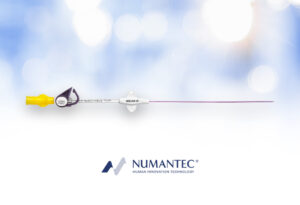
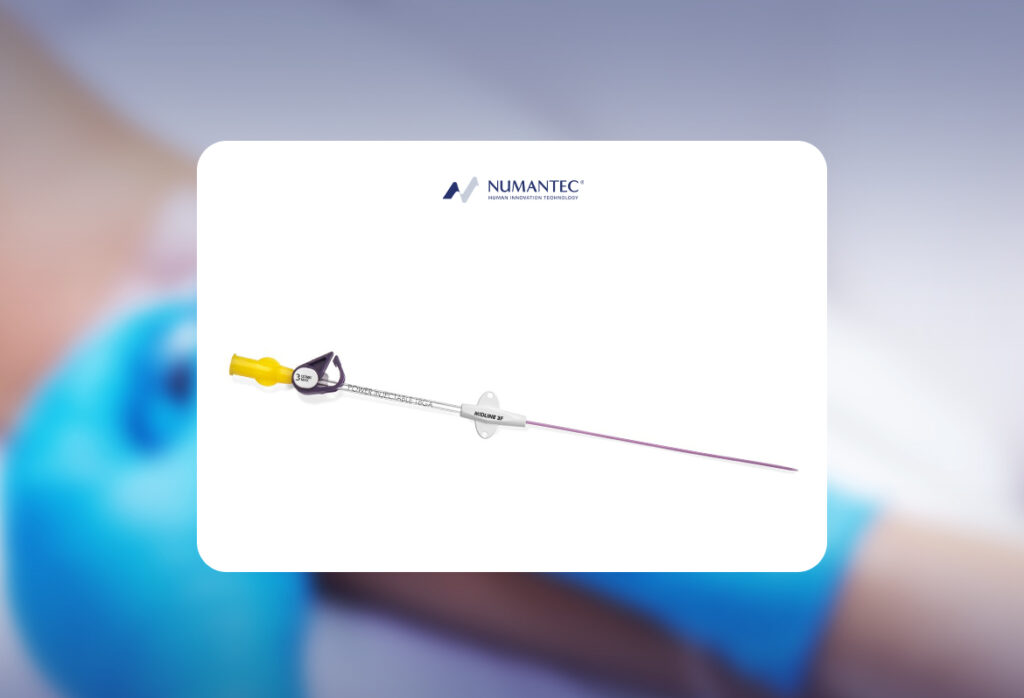
Power-injectable mini-Midlines are available and can also be used for the high-pressure injection of contrast media. ProV Midline ST, for example, is also designed for this application, as well as for infusions and intravenous therapy.
The ability to manage multiple needs through the same access may be particularly relevant for patients who need to undergo different procedures during their care pathway.
The Role of the Mini-Midline in Vascular Access Management
Choosing the most appropriate device at the start of the care pathway can help reduce repeated venipuncture and support continuity of therapy. For patients who need peripheral venous access for longer than a short PIVC would usually allow, the mini-Midline may therefore be an appropriate option.
Within the Numantec Group portfolio, Health Line ProV Midline ST is a mini-Midline intended for use for periods of less than 30 days. Available in 3 Fr and 4 Fr sizes and in lengths of 6, 8 and 10 cm, it features an atraumatic “V” tip and is designed for infusions, intravenous therapy and power injections. This gives clinicians a further option when selecting the vascular access device best suited to the patient’s clinical and care requirements.