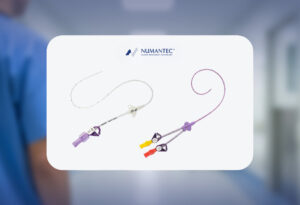


The choice of vascular access is necessarily based on clinical criteria: type and duration of therapy, venous access, infusion characteristics, the patient’s condition and the risk of complications. However, especially when more than one clinically appropriate option is available, these factors do not fully define the decision.
A patient-centred approach also means considering what happens after placement: how the device is perceived, how much it interferes with daily activities, what management requirements it involves and what impact it may have on quality of life. The latest international recommendations point precisely towards a more comprehensive approach to vascular access, in which safety and appropriateness are considered alongside patient preferences, lifestyle and previous experience in this area.
From Clinical Appropriateness to the Patient Experience
A device that is technically appropriate is not necessarily equivalent to another from the perspective of the person who will have to live with it for weeks or months. Visibility, comfort, personal hygiene, sleep, mobility, physical activity, work and body image may carry different weight depending on the individual and the duration of the treatment pathway.
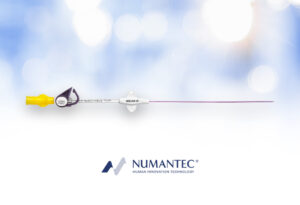
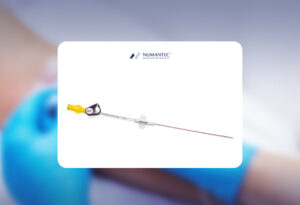
This issue becomes particularly relevant in central venous access devices used in oncology. PICCs and Ports, for example, differ also in terms of day-to-day experience: the former has an external segment, while the latter is fully implanted under the skin. The aim, therefore, is not to determine which solution is best in absolute terms, but to assess benefits, limitations and compatibility with the needs of each individual care pathway.
Patient-Centred Care Also Means Shared Decision-Making
Considering the patient’s perspective does not, of course, mean transferring an exclusively clinical decision to the patient. Rather, it means creating the conditions for them to understand the available alternatives and take part in the decision when more than one option is appropriate.
Patient-centred care therefore requires a balance between several dimensions. On the one hand, appropriateness, safety and the characteristics of the therapy remain essential. On the other, expectations, lifestyle, previous experiences, ability to manage the device and individual preferences also become part of the assessment. Communication also becomes part of the pathway: explaining the differences and implications of the various options in a clear and understandable way allows patients to express more informed preferences.
Putting the patient at the centre therefore means broadening the very concept of appropriateness in vascular access. It is not simply a matter of choosing a device that is technically suitable for the therapy, but of identifying, among the clinically viable alternatives, the option that best fits the person and the care pathway they will need to follow. From this perspective, technology and performance remain essential, but become part of a broader assessment in which the device is adapted to the patient.
This is also the approach followed by the Numantec Group: providing healthcare professionals with a diversified range of vascular access solutions, so that each choice can be tailored not only to clinical and care requirements, but also to the characteristics and needs of the individual patient.