

Modern vascular access practice is based not only on device selection, but above all on a structured decision-making process that integrates clinical evidence, international guidelines, and standardized procedures.
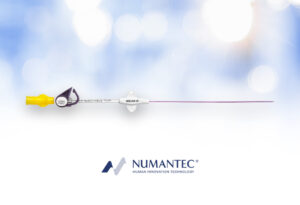
PICC lines (Peripherally Inserted Central Catheters) represent one of the most widely used solutions for the management of central venous access in complex patients.
Why PICCs Are Increasingly Used
The growing use of PICCs is closely linked to a more structured and evidence-based approach to vascular access selection, which depends on several factors:
- Type of solution to be infused
- Expected duration of therapy
- Need for high flow rates
- Condition of the venous access
- Possible contraindications to implantable ports
In treatments lasting longer than four weeks, or when stable central venous access is required, PICCs often represent the most appropriate solution.
The 2025 Association of Anaesthetists Guidelines reaffirm the importance of the principle “the right device, in the right vessel, at the right time” and emphasize the role of real-time ultrasound guidance, correct catheter size selection, and proper tip positioning near the cavo-atrial junction.
Updated Data on Complications, Infections, and Thrombosis
Recent scientific evidence shows that, in the management of complex patients:
- Immediate mechanical complications are significantly reduced when ultrasound-guided insertion is used;
- Thrombotic risk is strongly correlated with the catheter-to-vein ratio;
- Using the minimum number of lumens required helps reduce the risk of infection;
- Correct tip positioning reduces the incidence of thrombosis and catheter dysfunction.
It is therefore clear that clinical outcomes do not depend solely on the device itself, but on the entire clinical pathway.
Factors Influencing Clinical Outcomes
Insertion technique, appropriate catheter selection, and proper long-term management are key variables in ensuring optimal performance and reducing complications.
Insertion technique is the first critical factor. The 2025 Association of Anaesthetists Guidelines recommend the use of real-time ultrasound guidance, preliminary venous assessment, and verification of correct tip positioning. A structured and standardized approach significantly reduces mechanical complications, malposition, and device-related thrombosis, improving access reliability from the very first stages.
Catheter size selection and the number of lumens also have a direct impact on outcomes. Compliance with the so-called “one-third rule” — maintaining the catheter diameter below one third of the vein diameter — is essential to preserve adequate blood flow and limit the risk of thrombosis. At the same time, using the minimum number of lumens required for therapy helps reduce infection risk and simplifies clinical management.
Finally, post-insertion management is equally crucial. Scientific evidence shows that structured protocols based on regular inspection of the insertion site, proper flushing procedures, and timely device removal when no longer needed reduce infections, occlusions, and premature catheter removal.
It is at this stage that process standardization becomes essential, transforming vascular access management into a consistent, controlled, and continuity-focused clinical pathway.
The Value of Standardized Management
Vascular access management does not end with device insertion.
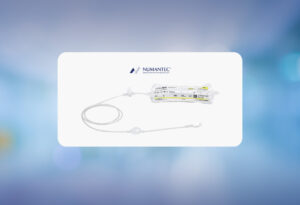
Numantec Maintenance Kits demonstrate how the integration of sutureless securement systems, transparent dressings, disinfection caps, pre-filled syringes, and dedicated sterile components can transform maintenance from a fragmented activity into a standardized process.
From a clinical perspective, standardization helps to achieve:
- Reduced procedural variability;
- Improved adherence to guidelines;
- Increased team efficiency;
- Greater continuity of care.